



 10:00 2026-04-14
Auction houses are places where common sense often gives way to excitement and nostalgia. Here, ordinary objects turn into sacred relics, and their prices skyrocket not because of practical use but because of the stories they carry. Why would someone pay the price of a villa for an old bit of plastic, or buy the skeleton of an ancient creature to decorate a living room?

 620
620 6
6
Triceratops skeleton: pet dragon for $5.5 million
“Big John” is the name given to the world’s largest Triceratops skeleton, sold to a private US collector for $5.5 million. The 66-million-year-old skeleton is about 60% complete, making it a museum‑quality find. The purchase sparked controversy in the scientific community: critics argue that such artefacts belong to science, not private mansions. For the buyer, owning a “real dinosaur” is more than collecting — it is an attempt to tame eternity and the prehistoric might of nature.
Invisible emptiness for €15,000
Italian artist Salvatore Garau managed to sell an artwork titled “I am” (Io sono) that… does not exist in the physical world. The buyer received a certificate of authenticity and detailed instructions: the sculpture must be “placed” within a 150 × 150 cm space free of obstructions. Garau claims the void is a space full of energy. This auction case proved that you can successfully sell even a pure idea in the modern world if you wrap it in a beautiful philosophical narrative.
C‑3PO head: golden helmet for $1 million
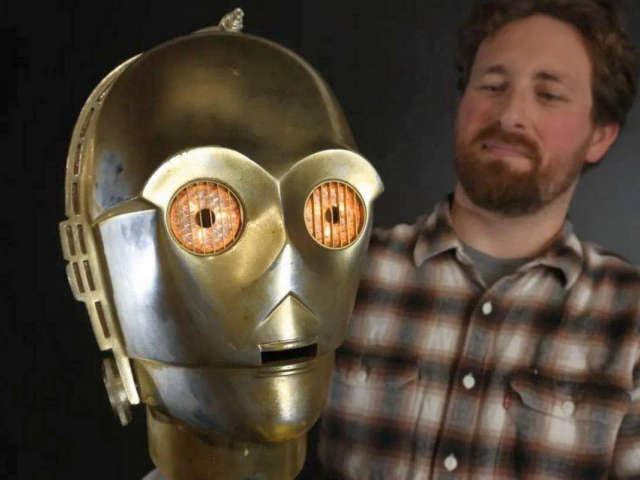
At a recent London auction, the head of the politest droid in Star Wars hammered for an impressive $1,058,400. The spicy detail is that the prop is not unique — multiple identical heads were made for filming. Essentially, the buyer paid over a million dollars for a hollow fiberglass and plastic construction. But for fans, it is more than “a robot’s head”; it is a piece of mythology that actor Anthony Daniels once touched.
Steve Jobs’ worn sandals: dust of genius
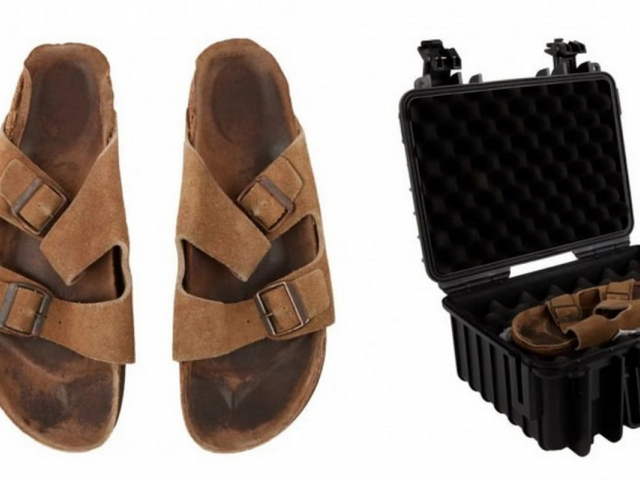
A pair of well‑worn Birkenstocks reportedly worn by Apple’s founder in the 1970s was sold for nearly $220,000. The lot included an NFT token, but the main value was the physical shoes. The foot imprints on the insoles are seen by collectors as “traces of genius” left by the creator of the digital age. This is a modern analogue of medieval relic veneration: an item that long contacted a great person’s body somehow seems to absorb their energy and intellect — even if it is just a pair of scuffed sandals.
Piece of Queen Victoria’s wedding cake
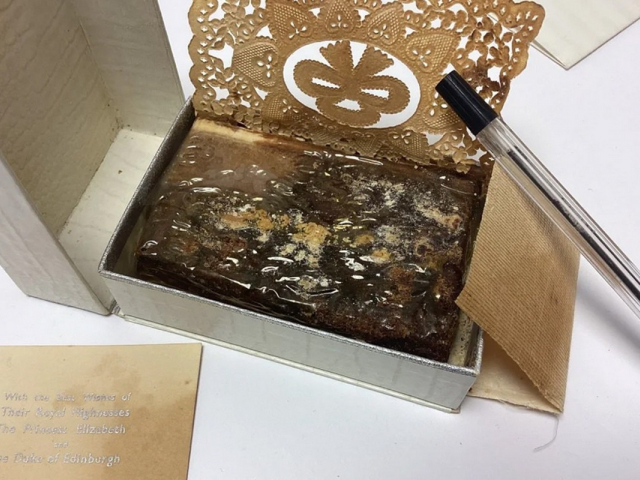
A confection over 150 years old fetched several thousand pounds at auction: a piece of the cake from Queen Victoria and Prince Albert’s wedding, celebrated in 1840. Obviously, the cake is not fit to eat, but it survived well in its original box. Buyers of such lots are a kind of “time‑keeper,” willing to pay for the illusion of belonging to great historical moments through common and fragile objects.
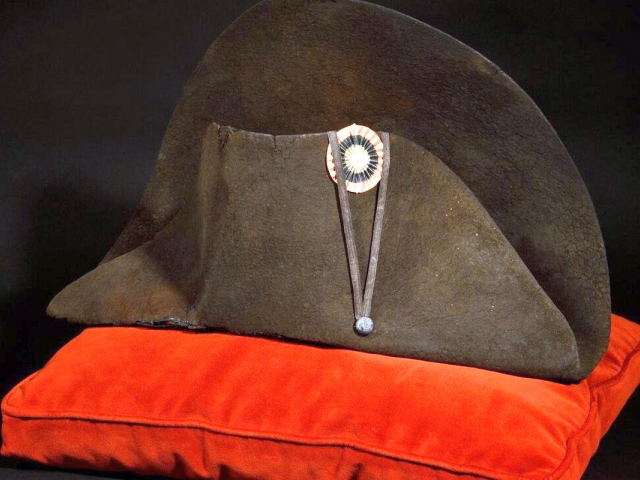
Napoleon’s hat: symbol of power
One of Napoleon Bonaparte’s famous hats was sold at auction for a record €1.9 million. The emperor deliberately wore his hat “with the corners to the side” so he could be easily recognized on the battlefield. Of the roughly 120 hats made, only about twenty have survived to the present. By purchasing such a lot, a collector acquires more than felt — they buy a symbol of power worn by a personality who reshaped Europe. It is an item charged with immense historical meaning that allows its owner to feel connected to the triumphs and tragedies of a great commander.


-
Grand Choice
Contest by
InstaForexInstaForex always strives to help you
fulfill your biggest dreams.JOIN CONTEST -
Chancy DepositDeposit your account with $3,000 and get $1000 more!
In April we raffle $1000 within the Chancy Deposit campaign!
Get a chance to win by depositing $3,000 to a trading account. Having fulfilled this condition, you become a campaign participant.JOIN CONTEST -
Trade Wise, Win DeviceTop up your account with at least $500, sign up for the contest, and get a chance to win mobile devices.JOIN CONTEST


